
Illinois just became the first state in the country to put a direct, transaction-based tax on crypto. On June 16, 2026, Governor JB Pritzker signed the Digital Asset Tax Act (DATA) into law as part of the state budget. Here is the who, what, why, when, where, and how, and what it means if you hold or move digital assets in Illinois.
What the Law Actually Does
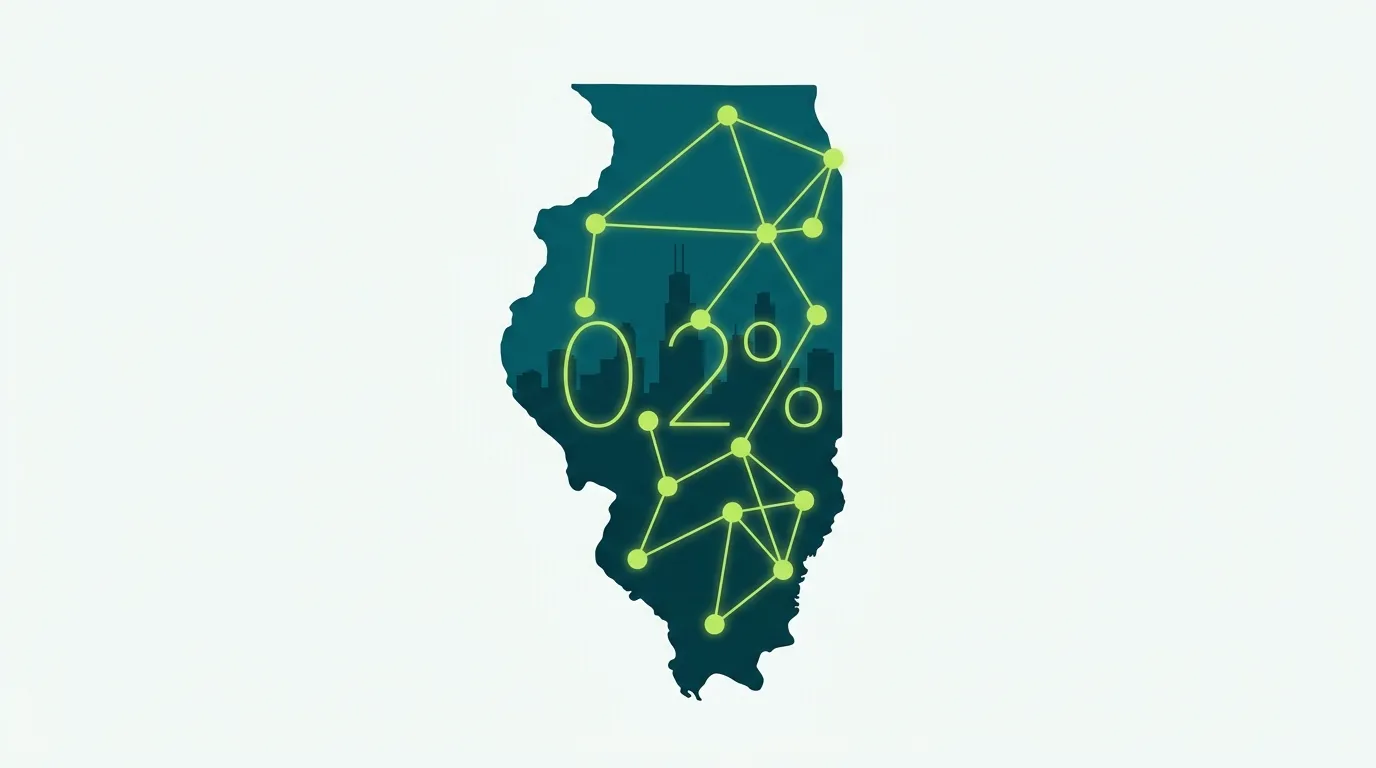
The Digital Asset Tax Act creates a 0.2% privilege tax on the value of digital assets involved in core crypto activity: exchanging, transferring, or storing them. Because it is a privilege tax on the transaction itself, it can apply each time crypto moves, whether or not the move produced a gain. According to early reporting, that scope may even reach certain transfers between a user’s own accounts or into a self-custodial wallet.
That is a meaningful departure from how crypto is usually taxed. Federal rules and most state income taxes look at your gain when you sell or dispose of an asset (see how the rules differ in our crypto taxes by state guide). DATA looks at the transaction, regardless of profit. Illinois projects the tax will raise roughly $60 million a year and has been described as the first state law of its kind in the United States.
Who It Affects
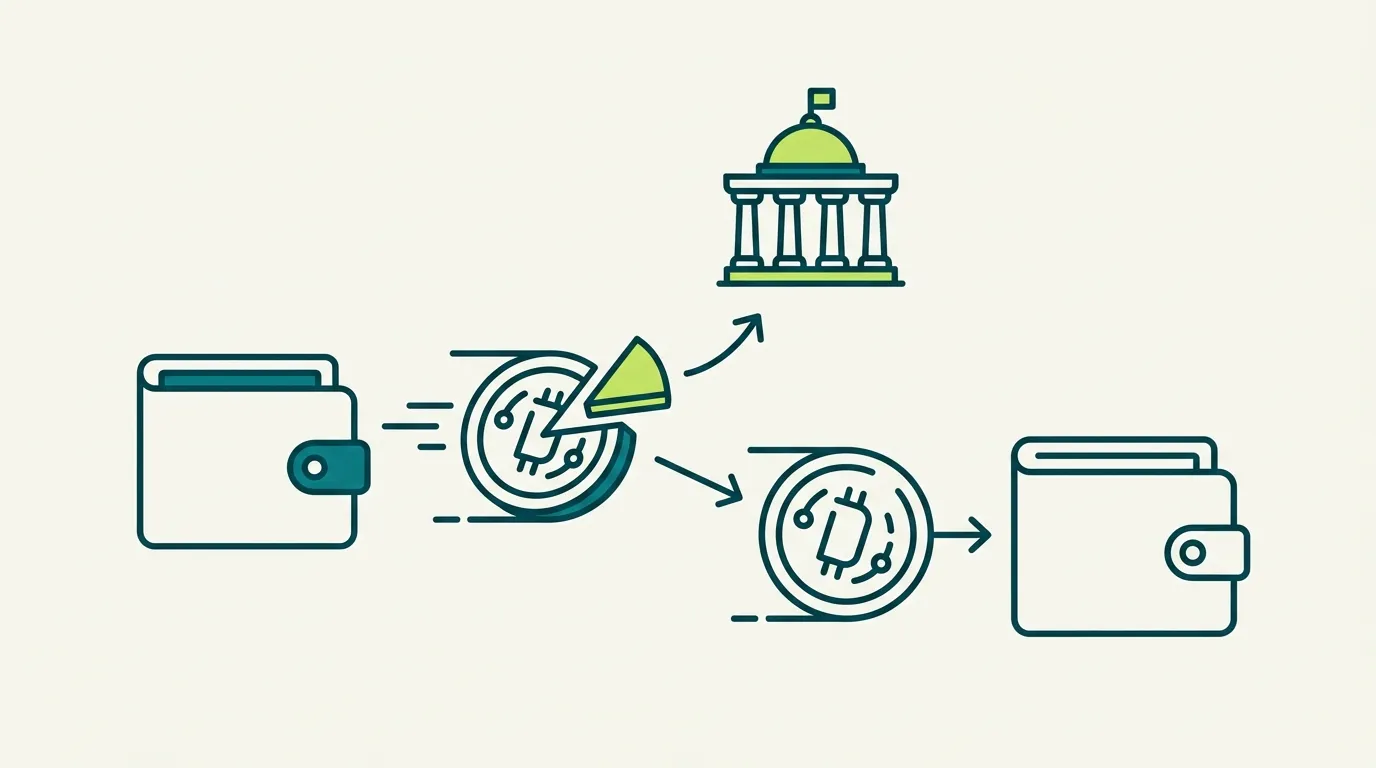
The rules target digital asset brokers and businesses that facilitate the exchange, transfer, or storage of digital assets, either for their own business or on behalf of customers. It reaches firms physically based in Illinois and firms that provide digital asset services to Illinois residents, where total gross receipts from those services are at least $100,000 per year.
In practice, brokers are expected to collect the tax from customers and remit it to the Illinois Department of Revenue. So even though the legal obligation sits with brokers and businesses, the cost can flow through to everyday Illinois traders, investors, and crypto-active businesses.

Why Illinois Passed It
DATA was enacted as part of the state budget Governor Pritzker signed in June 2026. Like most new tax measures attached to a budget, the central driver is revenue: Illinois estimates around $60 million annually from the digital asset tax. Lawmakers also framed it as bringing a fast-growing, largely untaxed category of financial activity into the state’s revenue base.
The move drew immediate pushback from parts of the crypto industry, which argue that a per-transaction tax penalizes ordinary activity and could push businesses and users out of the state. Because it is the first law of its kind, how it is implemented and challenged in Illinois will likely shape whether other states follow.
When It Takes Effect
The law was signed on June 16, 2026 and takes effect January 1, 2027. That gap is the window for brokers and businesses to build the collection, calculation, and reporting systems they will need, and for Illinois residents to get their records in order before the first taxable transfers under the new regime.
Where It Applies
The tax is tied to Illinois nexus. It reaches brokers and businesses that are physically located in Illinois, as well as those located elsewhere that provide digital asset services to Illinois residents, once the $100,000 annual gross receipts threshold is met. In other words, you do not have to be an Illinois-headquartered company to fall within scope. Serving Illinois customers at enough volume is sufficient.
How to Prepare
A transaction-based tax raises the stakes on clean records. To verify what was taxed, reconcile broker statements, and avoid paying on amounts you should not, you need an accurate, per-lot history of every move across every exchange and wallet. Aggregate summaries from consumer software tend to hide exactly the basis and transfer detail that matters here.
- Pull complete transaction history from every exchange and wallet, including transfers, not just trades.
- Track activity at the lot level so each transfer and disposal is identifiable.
- Reconcile broker statements against your own ledger once the tax is being collected.
- Keep documentation that ties every taxed transaction back to source data.
This is the work Count On Sheep does. We rebuild your full crypto ledger across centralized exchanges, DEXs, and wallets, then produce CPA-ready Form 8949, Schedule D, and Schedule 1 inputs. We do not file your return. Your CPA files, or you file with TurboTax, and our workpapers back up every number.

Crypto in Illinois? Get Your Ledger Audit-Ready
We rebuild your full transaction history and deliver CPA-ready 8949, Schedule D, and Schedule 1 inputs. Your CPA files. We handle the crypto piece. For state-specific help, see our Illinois crypto tax page, or browse all of our locations to find your state.
Key Takeaways
- Illinois enacted the Digital Asset Tax Act on June 16, 2026, the first state-level, transaction-based crypto tax in the U.S.
- DATA imposes a 0.2% privilege tax on digital assets that are exchanged, transferred, or stored, effective January 1, 2027.
- It taxes movement, not profit, and may reach some transfers between a user’s own accounts or wallets.
- Brokers and businesses with Illinois nexus and at least $100,000 in annual gross receipts collect and remit the tax.
- Clean, per-lot records across every exchange and wallet are the way to stay audit-ready before the 2027 start date.
Frequently Asked Questions
What is the Illinois Digital Asset Tax Act?
The Digital Asset Tax Act (DATA) is an Illinois law signed by Governor JB Pritzker on June 16, 2026 as part of the state budget. It creates a 0.2% privilege tax on the value of digital assets that are exchanged, transferred, or stored, and it takes effect January 1, 2027.
When does the Illinois crypto tax take effect?
The tax takes effect January 1, 2027. It was signed into law on June 16, 2026, which gives brokers and businesses time to build collection and reporting systems before the start date.
Is the 0.2% tax a tax on my crypto gains?
No. It is a transaction-based privilege tax, not a capital gains tax. It can apply to the value of a transfer regardless of whether you made a profit, and reporting suggests it may reach some transfers between a user's own accounts or wallets.
Who collects and pays the Illinois crypto tax?
Digital asset brokers are expected to collect the tax from customers and remit it to the Illinois Department of Revenue. The rules target brokers and businesses physically in Illinois, or serving Illinois residents, with at least $100,000 in annual gross receipts from digital asset services.
How should Illinois crypto holders prepare?
Keep clean, per-lot transaction records across every exchange and wallet. Accurate records make it possible to verify what was taxed, reconcile broker statements, and produce accurate federal Form 8949, Schedule D, and Schedule 1 inputs. Count On Sheep rebuilds that ledger; your CPA files the return.