
Form 1099-DA is the IRS’s new tax reporting form for digital asset transactions. If you sold, exchanged, or otherwise disposed of digital assets through a custodial digital asset broker during the 2025 tax year, you may receive Form 1099-DA in early 2026. The form reports your gross proceeds (and sometimes your cost basis) directly to the IRS, which means your return needs to match. For the full reference on what brokers report and when, see our Form 1099-DA guide.
Here is the problem: many 1099-DA forms contain incomplete or inaccurate cost basis data. If you file your taxes based solely on what your 1099-DA shows, you could drastically overpay. Worse, if you ignore the form entirely, the IRS will come looking.
This guide breaks down exactly what Form 1099-DA reports, why the cost basis is frequently wrong, and how to reconcile your crypto tax return so you pay only what you actually owe.
This article is part of our comprehensive Crypto Tax Guide for 2026. Start there for a full overview of everything you need to file correctly this year.
What Is Form 1099-DA?

Form 1099-DA (Digital Assets) is a tax information return that centralized crypto exchanges send to both you and the IRS. It was introduced under the Infrastructure Investment and Jobs Act of 2021 and took effect for the 2025 tax year, with forms issued in early 2026.
The form serves the same purpose as a 1099-B for stocks. It tells the IRS how much you received when you sold or disposed of a digital asset. For 2025 transactions, cost basis reporting may be limited or unavailable. Basis reporting generally becomes more relevant for covered digital assets in later reporting years, but taxpayers still need their own records.
According to the IRS instructions for Form 1099-DA, brokers and exchanges must file this form for each customer who had reportable digital asset transactions during the tax year. In general, Form 1099-DA applies to covered sale or exchange transactions handled by a reporting digital asset broker. However, some transactions may be exempt, deferred, aggregated, or subject to transition relief, so not every crypto transaction will result in a Form 1099-DA.
Who Receives a 1099-DA?
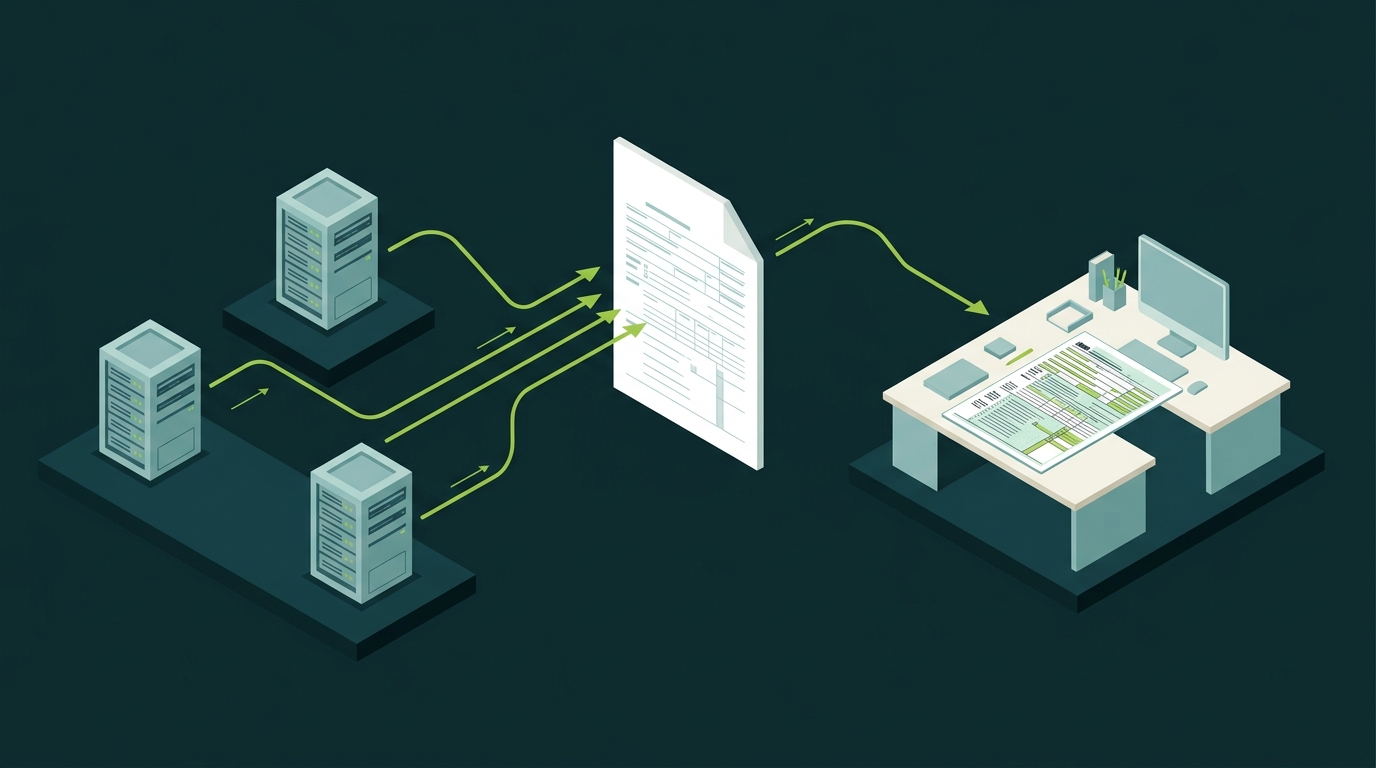
You will receive a Form 1099-DA if you meet all three of these conditions:
- You used a centralized exchange (Coinbase, Kraken, Gemini, etc.) during 2025.
- You sold, traded, or disposed of a digital asset on that platform.
- The exchange is classified as a broker under current IRS rules.
If you used multiple exchanges, expect a separate 1099-DA from each one, and brokerage apps count as well: crypto sold on Robinhood generates a Robinhood 1099-DA just like any exchange sale. This is where things start getting complicated, because each exchange only knows about the transactions that happened on its platform.
Did you only buy and hold crypto without selling? You generally will not receive a 1099-DA for that activity alone. The form covers dispositions, not purchases.
What Data Does the 1099-DA Contain?
Each 1099-DA reports the following information for your transactions:
- Gross proceeds: the total amount you received from selling or disposing of the asset.
- Cost basis (if known): the original purchase price plus any fees, used to calculate your gain or loss.
- Date acquired and date sold: used to determine whether the gain is short-term or long-term.
- Digital asset type: the specific cryptocurrency involved (BTC, ETH, SOL, etc.).
- Transaction ID or hash: a reference to the on-chain or platform transaction.
The form is structured similarly to Form 1099-B, which stock brokers have been issuing for decades. The key difference is that crypto cost basis tracking is significantly more complex due to transfers between wallets and platforms.
Why Is the Cost Basis Often Wrong?
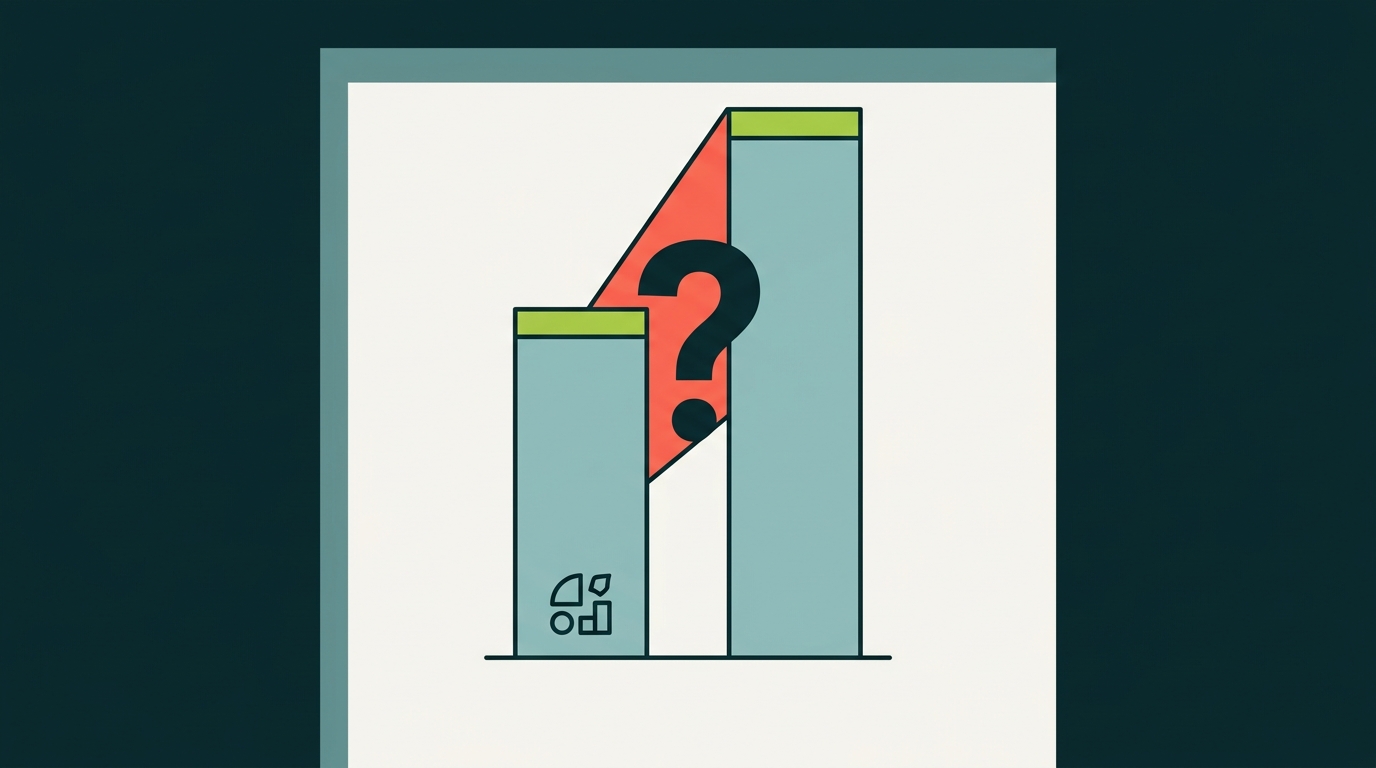
This is the most critical issue with 1099-DA reporting. The cost basis shown on your 1099-DA may be $0, missing, or incorrect. Here is why.
When you buy Bitcoin on Exchange A and then transfer it to Exchange B, Exchange B has no record of what you originally paid. It only knows that 1 BTC arrived in your account. If you later sell that Bitcoin on Exchange B, the exchange may report your cost basis as $0 because it simply does not have the information.
The result? Your entire sale looks like pure profit on paper.
Real Example: The $0 Basis Problem
Sarah buys 2 ETH on Coinbase in March 2024 for $3,200 each ($6,400 total). She transfers both to Kraken in June 2025, then sells on Kraken in October 2025 for $4,100 each ($8,200 total).
1099-DA With $0 or missing Cost Basis
Kraken has no record of Sarah’s original purchase price. The 1099-DA may report gross proceeds of $8,200 with missing or $0 cost basis, making the sale appear much more profitable than it actually was.
Corrected Cost Basis
Sarah’s real cost basis is $6,400 (purchased on Coinbase). Her actual gain is only $1,800. She must correct this on Form 8949 using her own records.
For guidance on how cost basis rules work after transferring between wallets, see our breakdown of per-wallet cost basis under Rev. Proc. 2024-28.
How to Reconcile Your 1099-DA
Reconciling your 1099-DA means comparing what the exchange reported to the IRS with your own records, then filing Form 8949 with the correct numbers. Here is the process.
1. Gather all your 1099-DA forms. Collect forms from every exchange you used during 2025. Download them from each platform’s tax center.
2. Compare proceeds. The gross proceeds number is usually accurate because the exchange processed the sale. Verify this against your own transaction history.
3. Check every cost basis entry. This is where errors appear. Look for $0 entries, missing data, or values that do not match your purchase records.
4. Reconstruct missing cost basis. Pull your original purchase records from the exchange where you first bought the asset. If you used multiple platforms, you may need records from all of them.
5. File Form 8949 with corrected data. Report the exchange-reported proceeds on Form 8949 but enter the correct cost basis. If basis was reported incorrectly to the IRS, you may need to use Form 8949 adjustment code and adjustment amount. For example, code B is generally used when basis was reported incorrectly to the IRS, while other codes may apply if basis was not reported.
6. Attach a reconciliation statement. While not strictly required, attaching a brief explanation of your adjustments can help if the IRS questions the discrepancy.
For a detailed walkthrough of Form 8949 and Schedule D, see our Form 8949 for crypto reference guide.
What If You Disagree With Your 1099-DA?
You have the right to file your tax return with different numbers than what appears on your 1099-DA. The IRS expects this in some cases, particularly when cost basis is missing.
Here is what to do:
-
Contact the exchange first. Some platforms have a process for issuing corrected 1099-DA forms. Request a correction if the proceeds amount is wrong.
-
File with correct amounts regardless. Even if the exchange does not issue a correction, report the accurate figures on your Form 8949. You do not need to wait for a corrected form.
-
Document everything. Save screenshots of your original purchases, transfer confirmations, and any correspondence with the exchange.
The IRS’s automated matching system (AUR) will flag returns where your reported numbers differ from the 1099-DA. If that happens, you may receive a CP2000 notice. Having thorough documentation means you can respond quickly and resolve the issue without penalties.
Choosing the Right Cost Basis Method
Your cost basis method determines which coins are considered “sold” when you make a transaction. This directly affects how much tax you owe.
The most common approaches are FIFO and specific identification. Strategies such as HIFO generally rely on specific identification and require detailed records showing which units were sold.
Starting with tax year 2025, the per-wallet tracking rules under Rev. Proc. 2024-28 add another layer of complexity. Your cost basis method must be applied consistently within each wallet or account.
For a side-by-side comparison of how these methods affect your tax bill, read our guide on FIFO vs. HIFO vs. Specific ID for crypto taxes.
DeFi and the 1099-DA Timeline
For the 2025 tax year, only centralized exchanges are required to issue 1099-DA forms. Decentralized platforms (Uniswap, Aave, Curve, etc.) are not yet covered.
The IRS finalized broker reporting rules for custodial digital asset brokers, but the later DeFi broker reporting rules have been challenged and changed. As a result, taxpayers should not assume DeFi activity will generate a Form 1099-DA. Regardless of whether a form is issued, DeFi gains, losses, and income remain reportable. That means if you used decentralized protocols in 2025, you will not receive a 1099-DA for those transactions. You are still required to report all gains and losses from DeFi activity on your tax return.
This is worth noting: the absence of a 1099-DA does not mean the IRS cannot see your transactions. On-chain data is public, and the IRS has invested heavily in blockchain analytics tools. Failing to report DeFi activity is risky and could trigger an audit.
Penalties for Not Reporting
The IRS takes information return matching seriously. If your 1099-DA reports $50,000 in proceeds and that number does not appear anywhere on your tax return, expect a notice.
Common penalties include:
- CP2000 notice: a proposed adjustment to your return based on the 1099-DA data. You have 30 days to respond.
- Accuracy-related penalty: 20% of the underpayment if the IRS determines you were negligent or substantially understated your income.
- Failure to file/pay penalties: if you skip filing entirely, penalties and interest accrue from the original due date.
According to IRS guidance on information return penalties, the cost of ignoring a 1099-DA far exceeds the cost of filing correctly in the first place.
“The IRS receives the same 1099-DA that you do. The question is not whether they will notice a discrepancy. The question is when.”
Bottom Line: What to Do Next
Form 1099-DA is now a major part of crypto tax filing. The form itself is straightforward, but the cost basis problems it creates are not. Here is your action plan.
If your 1099-DA looks correct: verify the numbers against your own records, then file normally using Form 8949 and Schedule D.
If your 1099-DA shows missing, $0, or incorrect cost basis: reconstruct your actual cost basis from purchase records, report the corrected amounts on Form 8949 using the appropriate adjustment codes where needed, and keep documentation to support your numbers.
If you are unsure: do not guess. Incorrect filings can lead to penalties, and overpaying means leaving money on the table.
The cost basis issues created by 1099-DA reporting affect millions of crypto holders. Getting it right requires pulling records from every exchange and wallet you have ever used, applying the correct accounting method, and filing with precision.
That reconciliation work is exactly what we do at CountOnSheep. Our team specializes in Digital Asset Reconciliation (DAR), a necessary step in your crypto tax preparation journey. DAR gives you clean inputs for your Form 8949, Schedule D, and Schedule 1, so you can file yourself through a leading tax platform or hand everything to your CPA to file. If you need help reconciling your 1099-DA forms, let our specialists handle it.
Need help with your 1099-DA or crypto taxes?
Talk to a Count On Sheep specialist. We will spot the costly errors before you file. No obligation.
Frequently Asked Questions
What is Form 1099-DA?
Form 1099-DA is a tax reporting document for digital assets. Starting with the 2025 tax year (filed in 2026), centralized exchanges must issue this form to report your crypto proceeds to both you and the IRS.
Why does my 1099-DA show $0 cost basis?
When you transfer crypto from one exchange to another, the receiving exchange often does not know your original purchase price. They report $0 cost basis, which makes your entire sale appear as pure profit. You must correct this using your own records.
Do I have to report my 1099-DA on my tax return?
Yes. The IRS receives a copy of your 1099-DA. If your tax return does not match the reported amounts, you may receive a CP2000 notice or face penalties.
What if my 1099-DA is wrong?
You are responsible for reporting accurate information. If your 1099-DA contains errors, use your own records to file the correct amounts on Form 8949. Attach a statement explaining any discrepancies.
Do DeFi platforms issue 1099-DA?
Not yet for the 2025 tax year. The IRS has proposed extending 1099-DA requirements to decentralized platforms starting in 2027, but for now only centralized exchanges are required to issue them.